

T cells migrating to the lower chamber in the Transwell experiment shown by scanning electron microscopy. -by Quanyin Gu
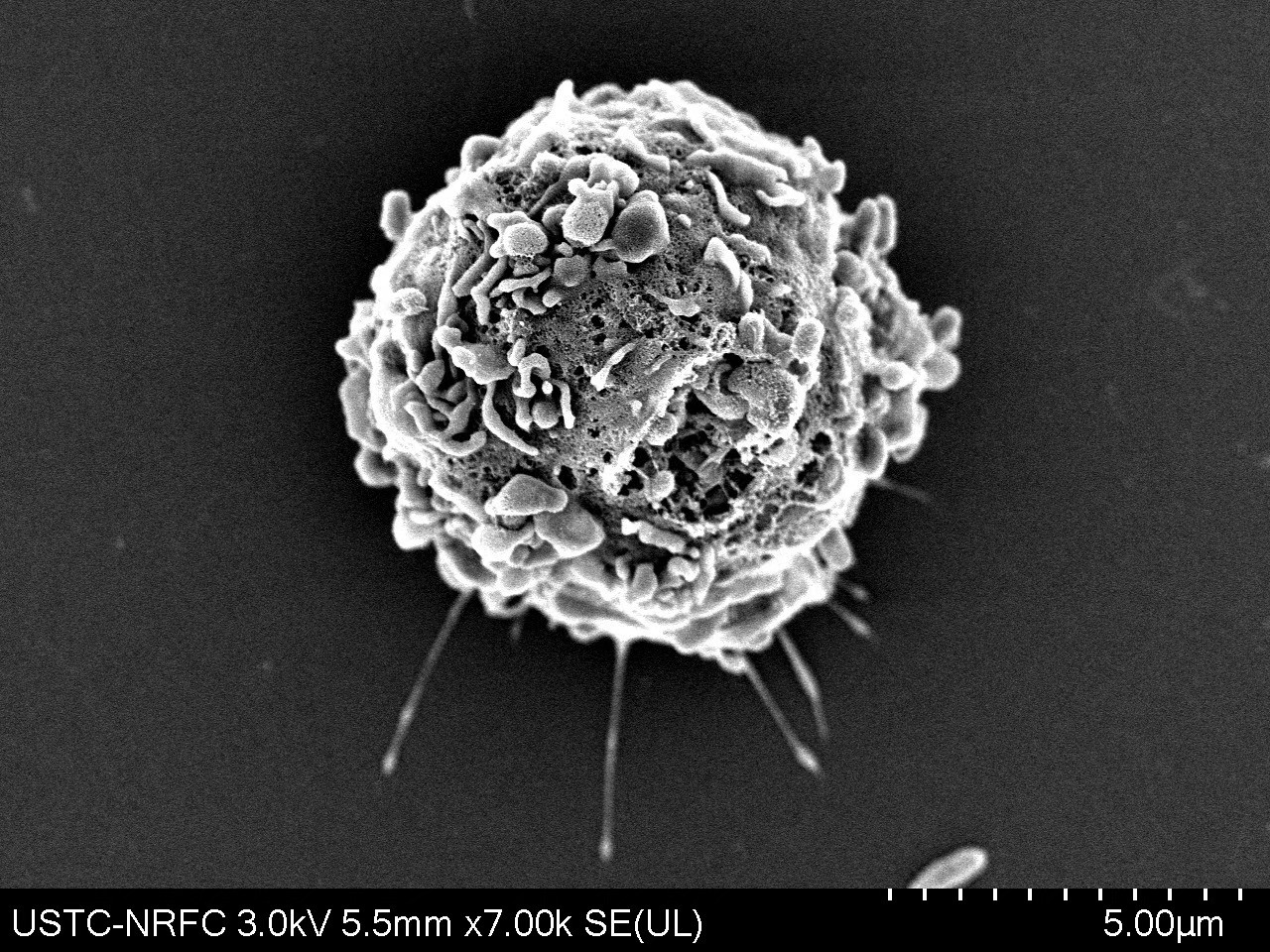
Migrating T cells
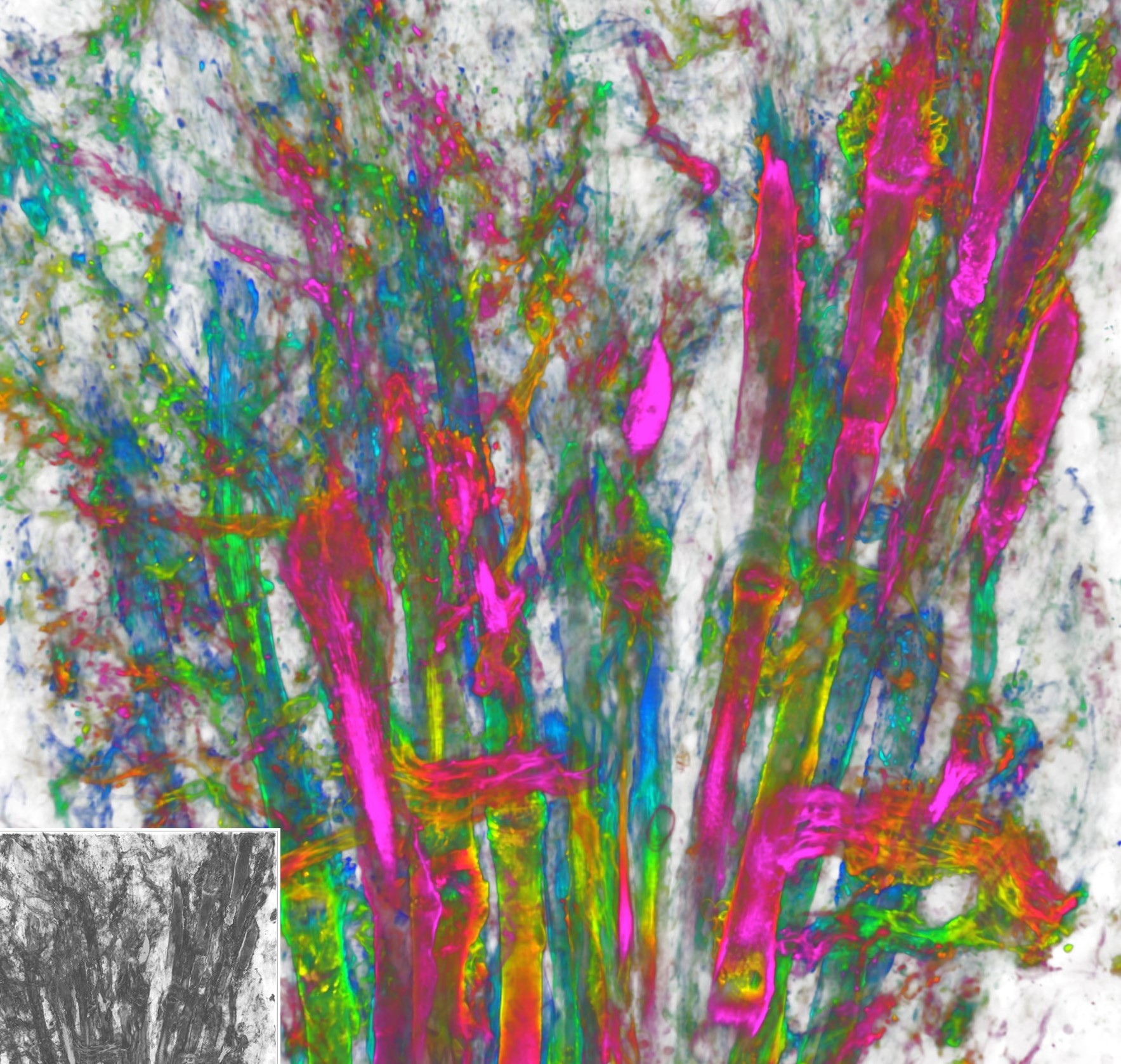
Lymphatic Mapping
Intravital microscopy reveals lymphatic vessel architecture in fluorescent reporter mice. -by Qin Wang
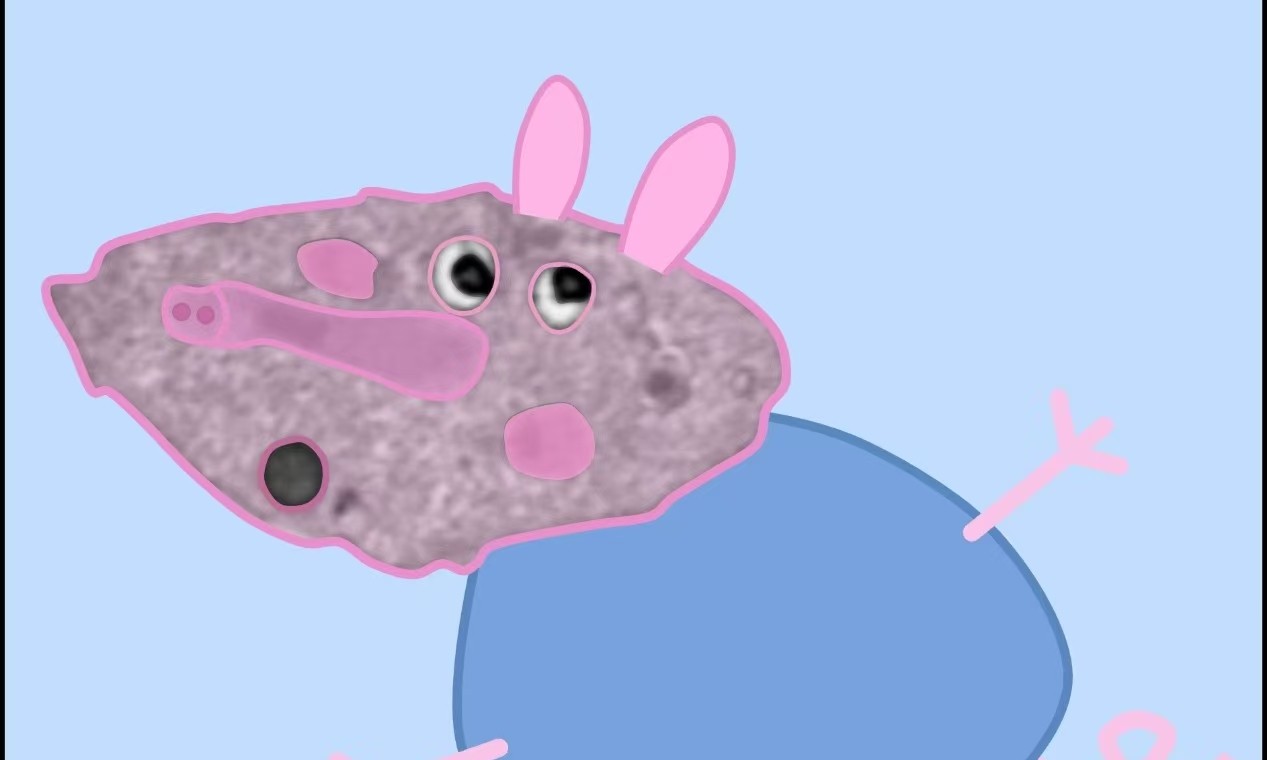
Microscopic Peppa
A platelet structure resembling Peppa Pig captured by a scanning electron microscope in tumor tissue. -by Qirui Liang and Qi Liu
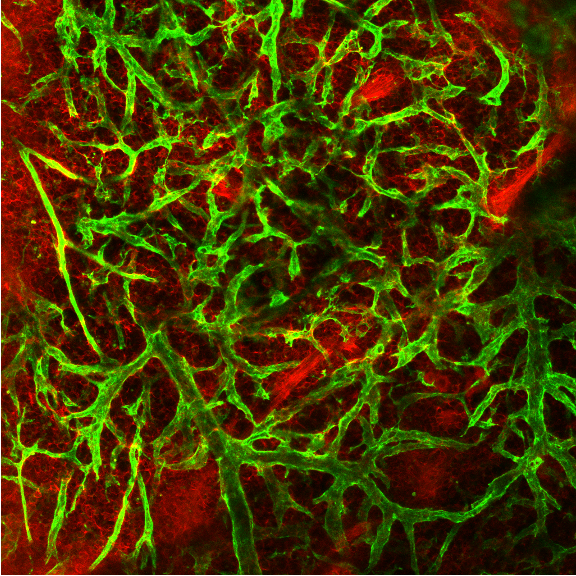
Nano-Spleen Biointerface
Visualization of the splenic microenvironment highlights vascular structures and their interactions with nanoparticles. -by Ziqi Chen
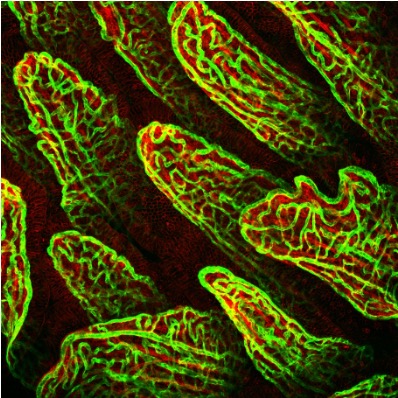
Jejunum Transport
Visualization of jejunal villi highlights local vascular structures and the dynamic transport of orally administered nanoparticles. -by Ziqi Chen
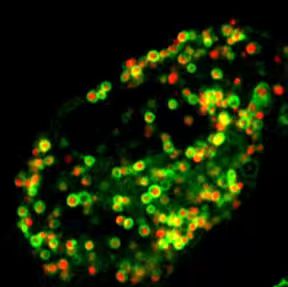
Lysosomal Trafficking
Spinning disk confocal imaging illustrates nanoparticle trafficking within lysosomal compartments. -by Qin Wang & Jiaxiang Dou
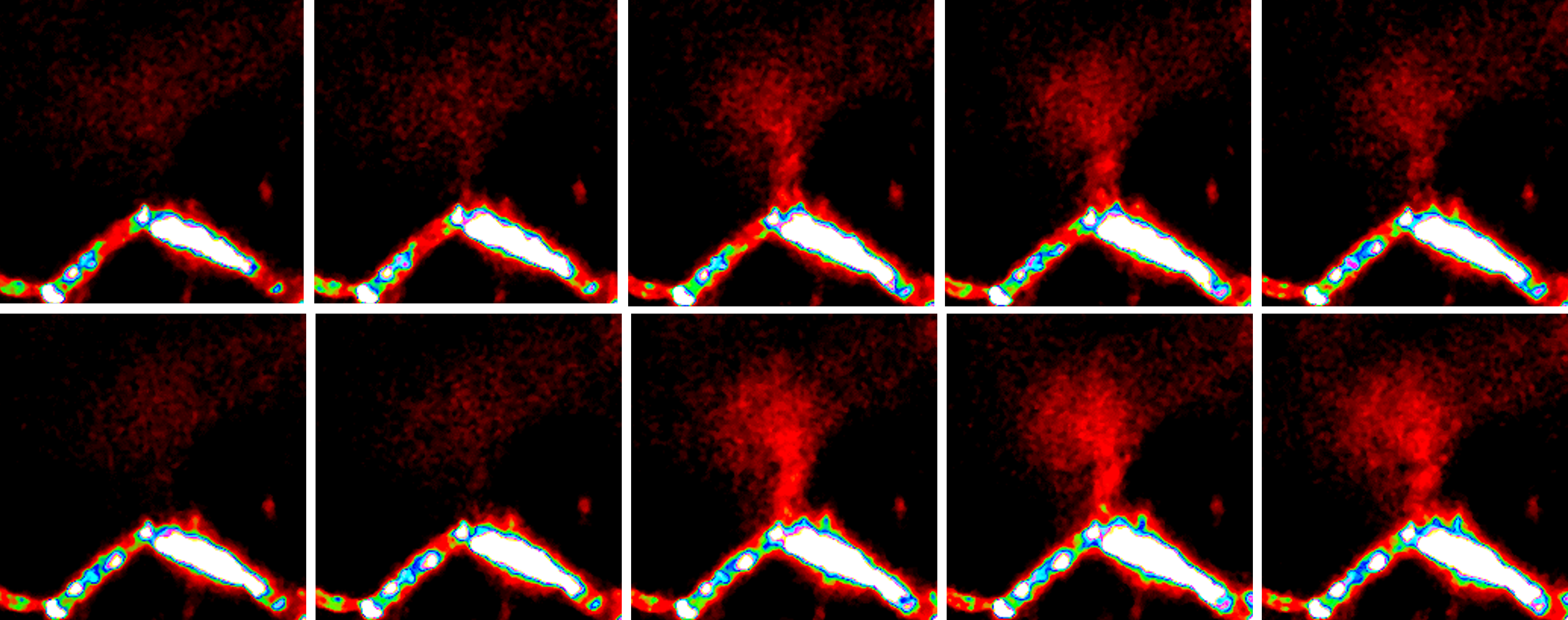
Tumor Extravasation
Intravital imaging of tumor vasculature captures continuous nanoparticle extravasation at the vascular interface. -by Qin Wang & Qirui Liang
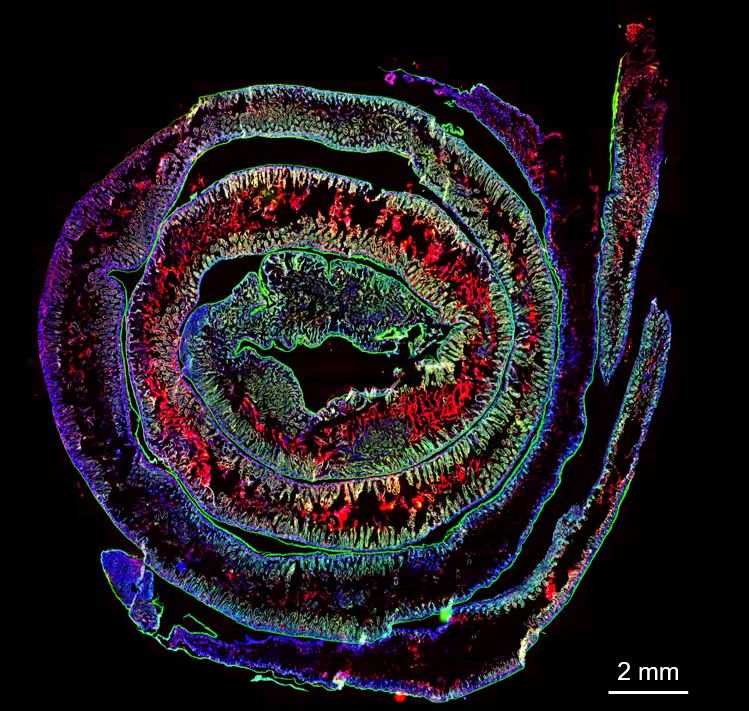
Colonic Distribution
Whole-mount immunofluorescence imaging shows the distribution of nanoparticles within colonic epithelial tissues. -by Qin Wang
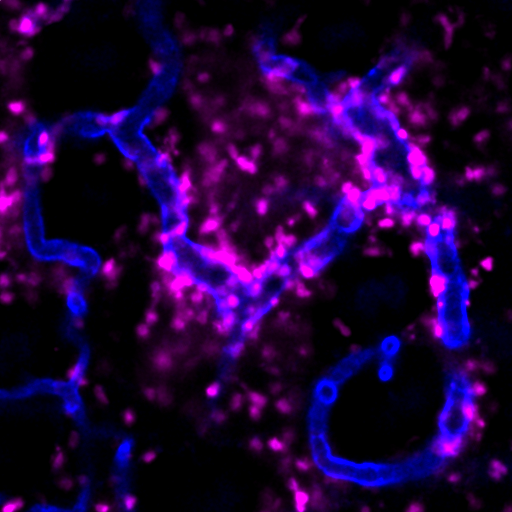
Neutrophil infiltration
Intravital tumor vascular imaging revealed extensive neutrophil infiltration at the vascular interface. -by Qingao Zhang & Qirui Liang
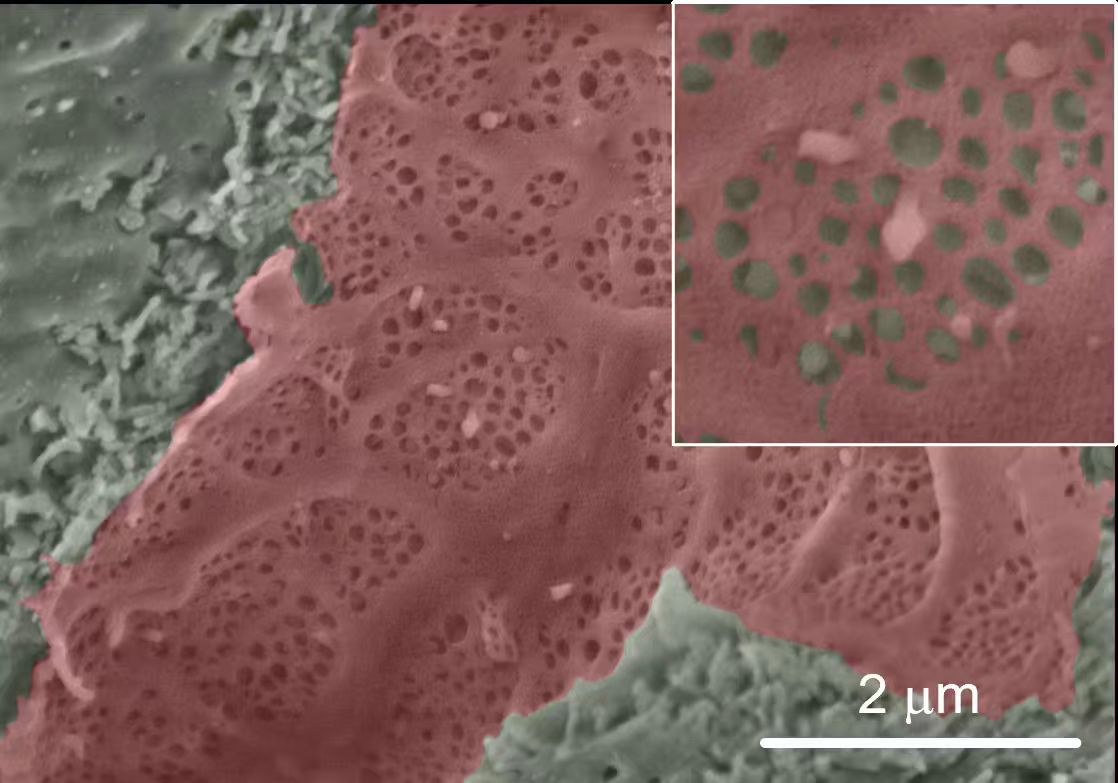
Fenestrations in liver sinusoidal endothelial cells
Scanning electron microscopy imaging reveals the size of fenestrations on the surface of liver endothelial cells. -by Han Zhou
Migrating T cells
T cells migrating to the lower chamber in the Transwell experiment shown by scanning electron microscopy. -by Quanyin Gu
Lymphatic Mapping
Intravital microscopy reveals lymphatic vessel architecture in fluorescent reporter mice. -by Qin Wang
Wang Research Lab
Engineering Drug Delivery, Decoding In Vivo Biology, and Translating New Therapies
We develop drug delivery systems to understand and control how therapeutics interact with the body. By integrating carrier engineering, intravital imaging, in vivo biology and clinical translation, our laboratory aims to uncover the principles governing drug transport across biological barriers and use these principles to engineer more effective therapies.
Our research spans three interconnected areas: delivery engineering, in vivo delivery biology, and in vivo cell engineering and therapeutic translation.
Research
1. Delivery Engineering
We design lipid-, polymer- and hybrid-based delivery systems for nucleic acids, proteins, small molecules and other therapeutic cargos.
Rather than generating increasingly complex carriers, we seek to identify the material and structural features that most strongly determine biological performance. Our work focuses on controlling particle size, surface chemistry, molecular organization, mechanical properties, targeting and stimulus responsiveness to improve delivery efficiency and therapeutic precision.
A major goal is to establish generalizable relationships between carrier chemistry, formulation properties and biological function, providing a foundation for the rational design of next-generation delivery systems.
2. In Vivo Delivery Biology
A central question in our laboratory is:
What determines the fate of a drug delivery system after it enters the body?
We use intravital microscopy, high-resolution imaging and quantitative biological approaches to directly visualize delivery processes in living animals across multiple spatial and temporal scales.
Our studies investigate how nanoparticles interact with:
- ● vascular barriers and endothelial interfaces;
- ● the liver and spleen mononuclear phagocyte systems;
- ● tissue and immune microenvironments;
- ● metastatic and primary tumours;
- ● immune-cell subsets and intracellular compartments.
By resolving processes from vascular entry and tissue transport to cellular uptake and intracellular trafficking, we aim to uncover the rules that connect material properties to in vivo fate and therapeutic outcome.
3. In Vivo Cell Engineering & Therapeutic Translation
We apply delivery technologies to directly program cells inside the body.
Current efforts include in vivo generation of tolerogenic antigen-presenting cells, in vivo CAR-T-cell engineering, RNA-based immune modulation and other approaches for reprogramming immune-cell function.
These studies connect fundamental delivery biology with therapeutic development in cancer, autoimmune disease and infectious disease.
Our translational research extends from formulation and CMC development to preclinical studies, investigator-initiated clinical studies and regulated clinical development. Importantly, clinical translation also generates new scientific questions regarding tissue selectivity, cellular targeting, expression kinetics, immune regulation and safety, creating a continuous cycle between basic discovery and therapeutic development.
Representative Discoveries
The gut microbiota regulates systemic drug delivery
We uncovered a gut–liver immune axis through which commensal microorganisms regulate the hepatic clearance and systemic delivery of synthetic and viral vectors.
Science, 2026
Micrometastases create a delivery-permissive vascular niche
We found that small metastatic lesions can mechanically remodel adjacent host vessels, creating enhanced permeability that enables nanoparticle access before tumour angiogenesis is established.
Nature Nanotechnology, 2026
The vascular basement membrane is a major barrier to nanoparticle delivery
Using intravital imaging, we identified a perivascular nanoparticle pool and showed that the vascular basement membrane represents a critical second barrier to tumour delivery.
Nature Nanotechnology, 2024; Nature Biomedical Engineering, 2025
RNA delivery can generate tolerogenic immune cells in vivo
We developed low-immunogenicity lipid nanoparticles that deliver PD-L1 mRNA to antigen-presenting cells, enabling the generation of tolerogenic APCs directly in vivo.
Nature Biomedical Engineering, 2025
From Fundamental Discovery to Clinical Translation
We believe that advances in drug delivery require a continuous connection between chemistry, biology and medicine.
Mechanistic discoveries from our laboratory guide the design of new delivery technologies, while challenges encountered during therapeutic development generate new questions for fundamental research.
Our translational programs span RNA therapeutics, vaccines, immune modulation and in vivo cell engineering, with multiple programs progressing into clinical development.
Join Us
We are continuously looking for motivated undergraduate and graduate students, postdoctoral fellows and research scientists who are interested in drug delivery, biomaterials, intravital imaging, RNA therapeutics, immunoengineering and translational medicine.
Our laboratory provides opportunities to work across the full spectrum from fundamental mechanism and technology development to preclinical and clinical translation.
Researchers with backgrounds in chemistry, materials science, pharmaceutical sciences, biology, medicine, bioengineering, imaging, computational science and related fields are welcome to contact us.
Yucai Wang
Email: yucaiwang@ustc.edu.cn


